

In short: Our Support staff had a complex in-house system to manage customer tickets which requires more time than necessary to navigate the system. This negatively impacted customer ticket response times and resulted in a high volume of frustrated customers who needed help sooner than we were able to provide it.
Our Member Help staff deal with hundreds of tickets a day keeping our members happy and cared for. When their member management system (PMSA) was initially built in-house it lacked a smooth user experience due to the fact that it was a quick build for a fresh startup, but it worked once you knew how to use it. It was functional enough to service the small number of staff back in Spriggy’s first few years because tickets were less and ticket response times weren’t impacted. But since the company started hiring more staff in Support we noticed a rise in ticket response times which led to a high volume of frustrated customers. There was clearly a need to have a full heuristic evaluation of PMSA to better serve our staff and help them to reduce ticket response times.
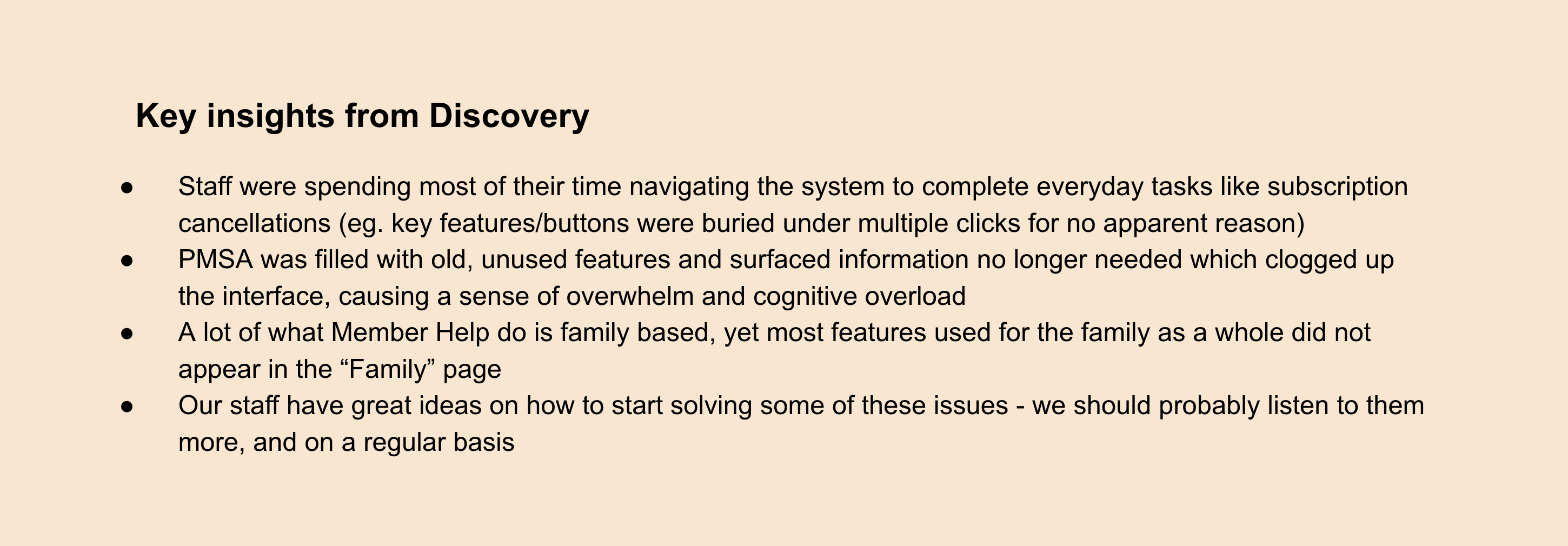
As the lead on this project, I kicked off the discovery stage with multiple users of PMSA to firstly, understand the system and how it worked. Then I needed to understand exactly what our staff’s pain points were and where they were spending the most time resolving a single ticket.
Second, I wanted to know what areas of the system they never used in order to clean up the dead wood and make space for cognitive processing.
Lastly, I wanted to know the nice-to-haves, if they had any requests or ideas on how to improve the system they spent their whole work day in.
I then drew up mock wireframes, ran them through my thinking and took feedback for improvements.
Personally, I like to involve developers early in the process to understand where we can meet middle ground on not only meeting the users’ needs, but also getting ideas and deeper knowledge from them on how the current system is built and how my suggested designs could impact them and the system.
The developers and I then agreed on a way forward and I again consulted the Support staff stakeholders and conducted usability testing with clickthrough Figma prototypes to make sure that the solutions solved their pain points.
Due to this being an in-house system, the developers signalled they did not need high fidelity designs to complete the improvements as soon as possible. Medium fidelity designs were provided.
Following stakeholder signoff, I handed all designs and prototypes over to developers in a briefing, complete with full-spec Jira tickets including acceptance criteria.
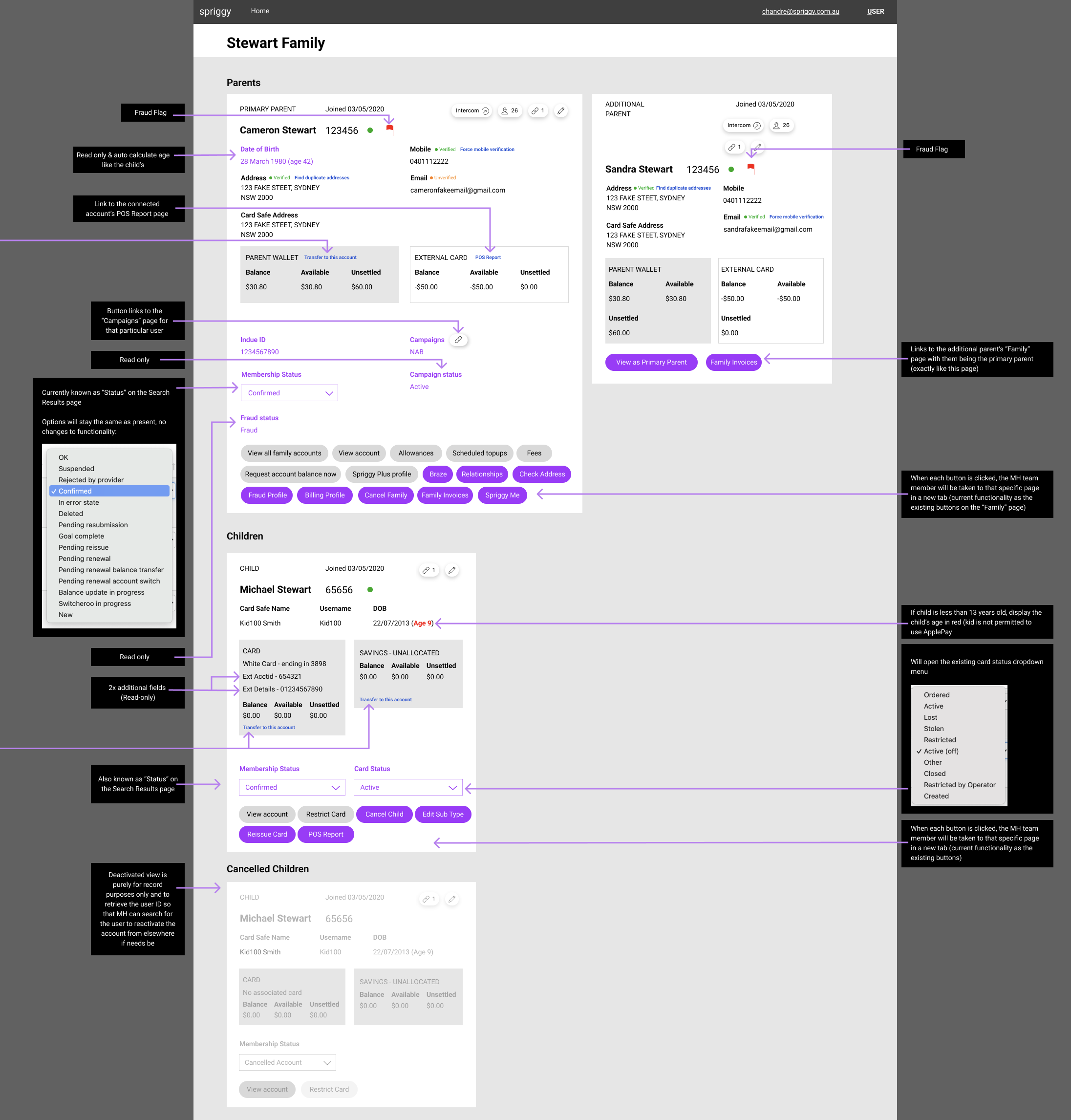
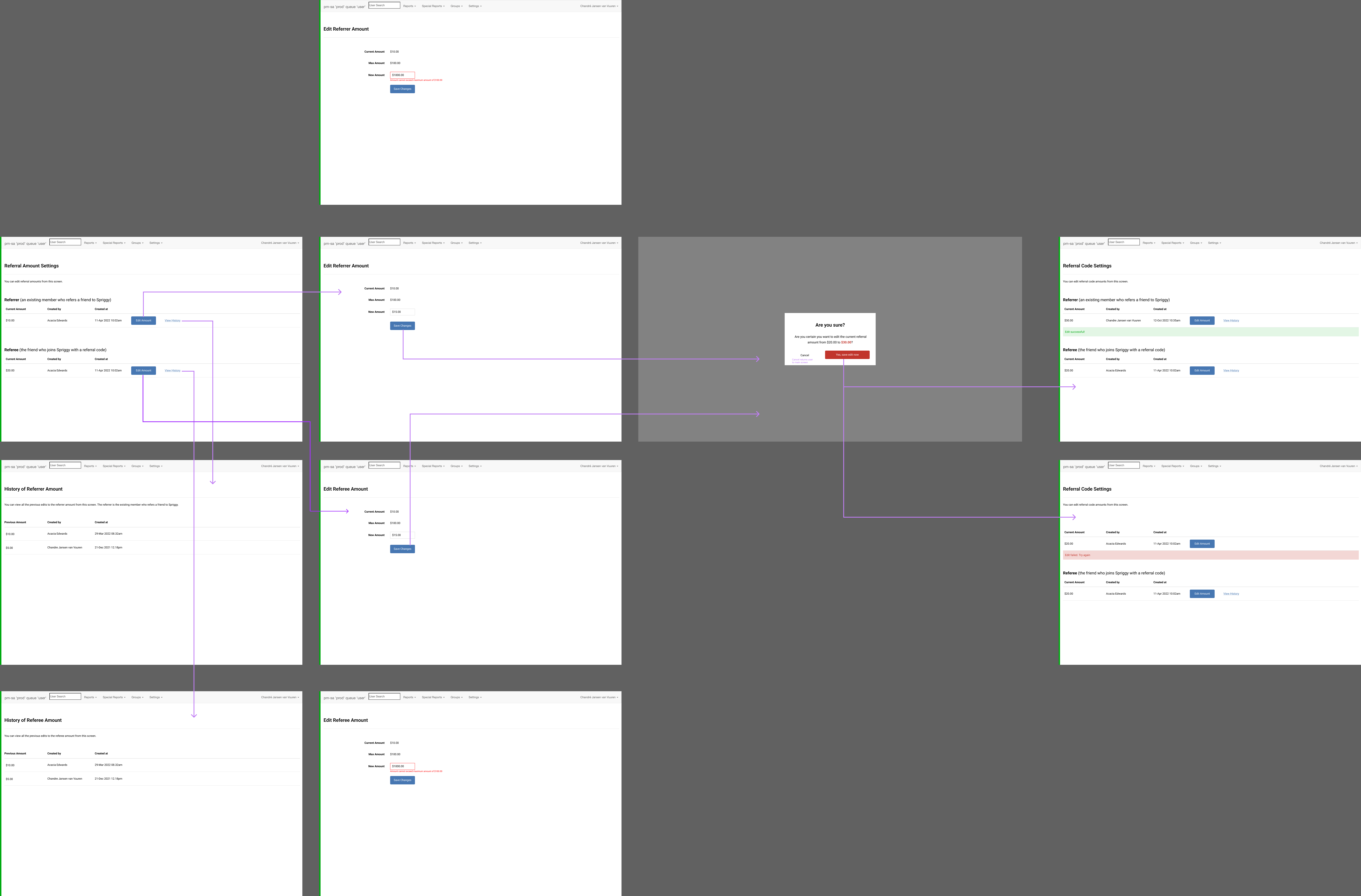
Final solution designs included:
Overall, the improvements we made to our PMSA resulted in:
I thoroughly enjoyed leading this project. It’s one project I’ve walked away from feeling like I’ve made a genuine impact on many people’s daily lives just by understanding their main pain points they’ve been putting up with for years.